The county dredge is off of the entrance to Popponesset Bay. This update from the town of Mashpee:

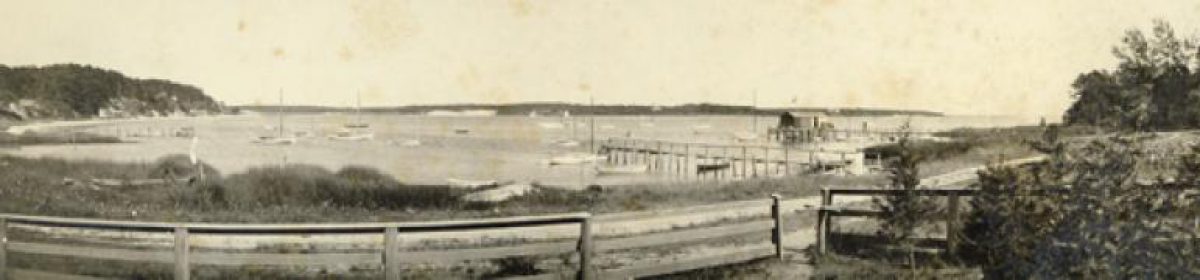
The county dredge is off of the entrance to Popponesset Bay. This update from the town of Mashpee:
A nice way to ring in fall. A big false albacore caught off the end of the Cotuit channel on the first cast.


George Michelsen Foy is a friend and near neighbor who is one of the best novelists I’ve read when it comes to portraying life on Cape Cod. I’m a fan of his maritime writing, especially his novel Mettle, and his nonfiction writing about the sea such as Run the Storm (about the El Faro disaster) and Finding North. His latest novel is The Winterpoor (2025, Sea Crow Press). It’s a timely, sad, and compelling elegy to those Cape Codders who live on the margins of the mansions and the resorts; the homeless, the poor, and the lost souls pulled down by the peninsula’s rush to the bottom as developers, realtors, planners, and politicians line their pockets and milk the place to death.
The book is a delight for anyone who grew up in Barnstable, affectionately name checking local characters and places with a true inside eye. The story stars a moonshine distilling artist, a Big Lebowski hero named Murdo Cahoon Peters with deep roots in the town, on a quest to restore the houseboat barge of a forgotten artist, to end a dead marriage, save a raccoon, and befriend a lost boy falling through the cracks.
The chapters are interspersed with poetic digressions into the death of a salt pond and the seasonal cycle of migration and spawning of flounders, eels, fiddler crabs, and Arctic Terns. Foy laments the Rape of the Cape without belaboring the obvious and lets the corrupt machinations of the Real Estate Lobby and the bumbling management of the town — especially the village of Hyannis — speak for itself.
The Winterpoor brought back memories of John Casey’s 1989 National Book Award winning novel Spartina, and then exceeded it. Reading it from cover to cover on the last day of summer made me shudder at the coming cold, and grateful to live in a place as beautiful and fragile as I do.
The Winterpoor can be purchased direct from the publisher, Sea Crow Press or Amazon. George signed copies last Friday, (9/19/25) at Titcomb’s Bookshop, 432 Route 6A in Sandwich, MA.
The Cape Cod Times has a sobering eulogy to the classic Cape Cod fall tradition of surfcasting from the beaches of the outer Cape for big striped bass. The cause of death? Seals. Too many of them.
Tony Stetzo, a guide and the former holder of the International Game Fish Association’s record for stripers — a 73 pound cow he caught off of Orleans’ Nauset Beach in the late fall of 1981 — said in the Times story: “It’s all done. Everybody knows it now,” said Stetzko, who said his fishing guide business has suffered from the decline.”
With the seal population tripled since 1999, surfcasting is all but useless to attempt on the backside beaches. I’ve had seals take hooked fish off my line before, and nothing is more discouraging than seeing a seal’s face bobbing in the waves, waiting for the angler to make its life easy by snaring a fish and holding it tight long enough to be snatched away. The pinnipeds are doing more than ruining the season for the legions of surfcasters who followed the fall run and set up camp from Provincetown to Chatham, pumping dollars in the shoulder season economy and enlivening the beaches with their four-wheel drive trucks and campers. This was a way of life that went back to the late 40s, when the Cape’s fishing was legendary and attracted anglers from around the northeast for a shot at a trophy-sized fish.
The beach driving has been cut way back due to the piping plover situation, and now the seals have all but shut the door on one of the Cape’s best off-season pastimes.
Add in the great white shark situation, the rising concern among town officials of how those sharks will affect tourism, and now the recreational fishermen pointing a finger and it doesn’t take much imagination to predict someone is going to call for some culling despite the presence of the Federal Marine Mammal protection act which has made it illegal to kill a seal and is the single reason the population has exploded.
I loved surfcasting back in the 90s when I first moved to the Cape year-round and was looking for an excuse to flee the family and find some wild peace and quiet under the stars standing in front of the big foaming ocean. A couple close calls with rogue waves and clumsy waders and I hung up my rod in the belief my life was worth more than a fish. As it turns out I hung it up before the curtain fell on the sport thanks to the seals. I guess nature will take its course and put things into equilibrium as word spreads through the great white social network that the table is set for fine dining on the beaches of Truro and Monomoy Island. One can only hope.
A great but obscure account of the golden era of Cape Cod surfcasting is Frank Daignault’s “Twenty Years of the Cape: My Time As a Surfcaster” – I highly recommend it.
Related is this cool auction of books about fall striper fishing on Rhode Island’s Block Island complete with a collection of the wooden plugs (lures) used in the early 80s. Proceeds benefit the American Littoral Association which conducts an excellent striper tagging program I used to participate in.